What solutions do you offer and what role does AI play?
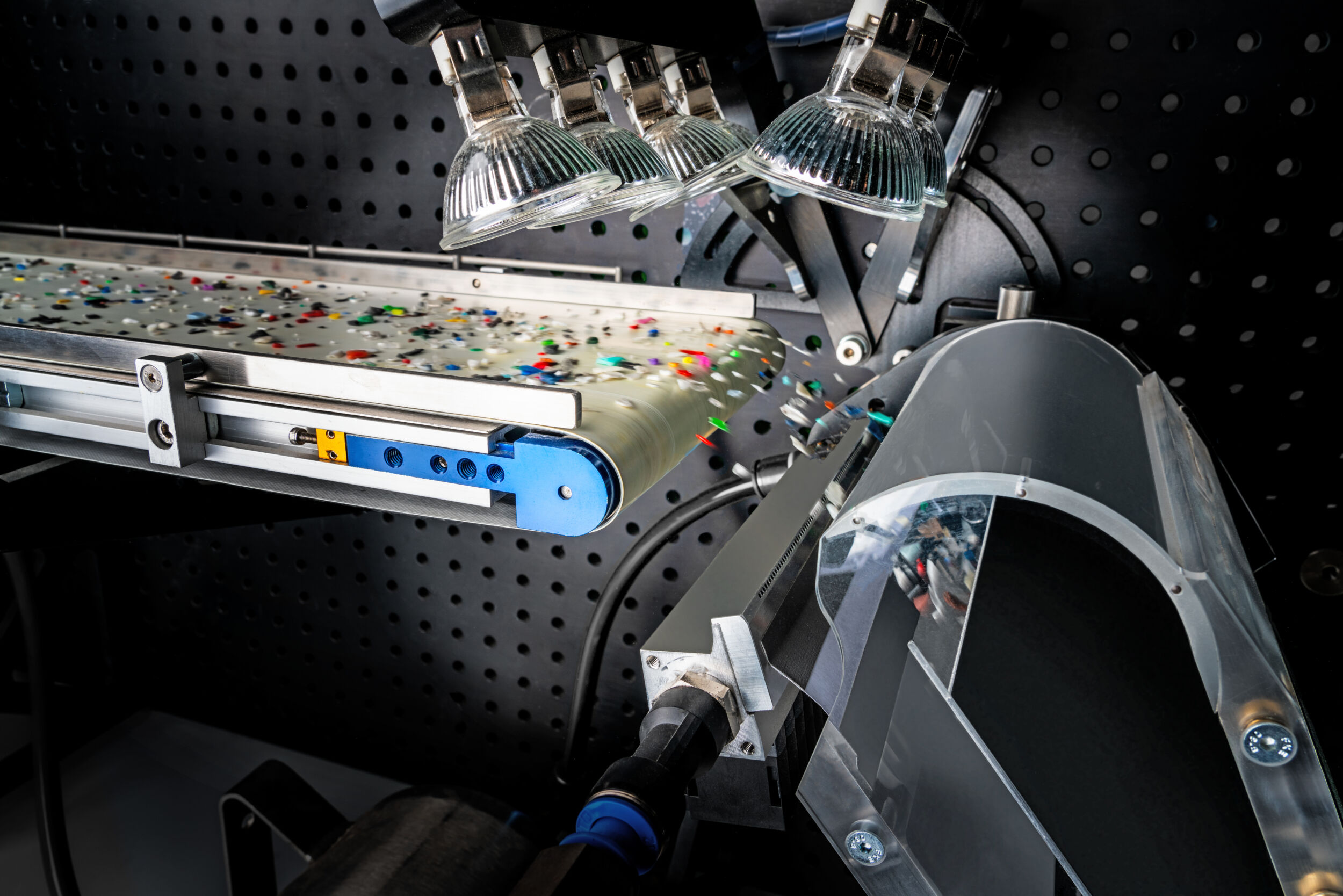
AI is the game changer. for the whole HSI niche market. We are giving people a new tool into the hand. You saw it with ChatGPT, suddenly everybody was capable of working with AI. That’s the kind of paradigm change we would like to do, making everybody capable of using spectral imaging for their problems. But I don’t want to underestimate the groundwork we had to lay. Spectral imaging depends highly on a precise spectral calibration of the cameras. Otherwise all the models you might apply on the data will just be noise in the end. On top of that, we now have our AI layer, which gives you multiple advantages to implement new solutions. It gives you access to state-of-the-art AI models, which offer more application friendliness than the ones we were using for the last 20 years. These new models trained themselves and our AI stack helps you to create your HSI model without experts needed. It also enables you to train and retrain the model and adapt to new production cycles, when your product is changing. At Vision we show an application with anomaly detection. In the past spectral imaging was usually trained for all the different foreign objects and looked at the signatures of each of these objects. Now our cameras could pick up different objects with our anomaly detection. You just train the good product and the algorithm will then pick everything, which is not a good product. That’s a huge improvement in time to get an application running. So in the end, we are talking about speed: speed of application, speed of implementation, speed of getting an answer.
Do you help customers to develop these AI models?
We don’t want to compete with system integrators or other people who are working in the industrial imaging field. We rather would like to work together with them and enable the people to do their own applications with HSI cameras. What we saw in the past was that for a typical vision system integrator, hyperspectral cameras were too weird to work with: strange data formats, different software, hard to integrate in your stack… What we are moving towards is enabling these system integrators to really catch up with this new kind of sensing technology.
SWIR is becoming important. Do you have specific solutions for this area?
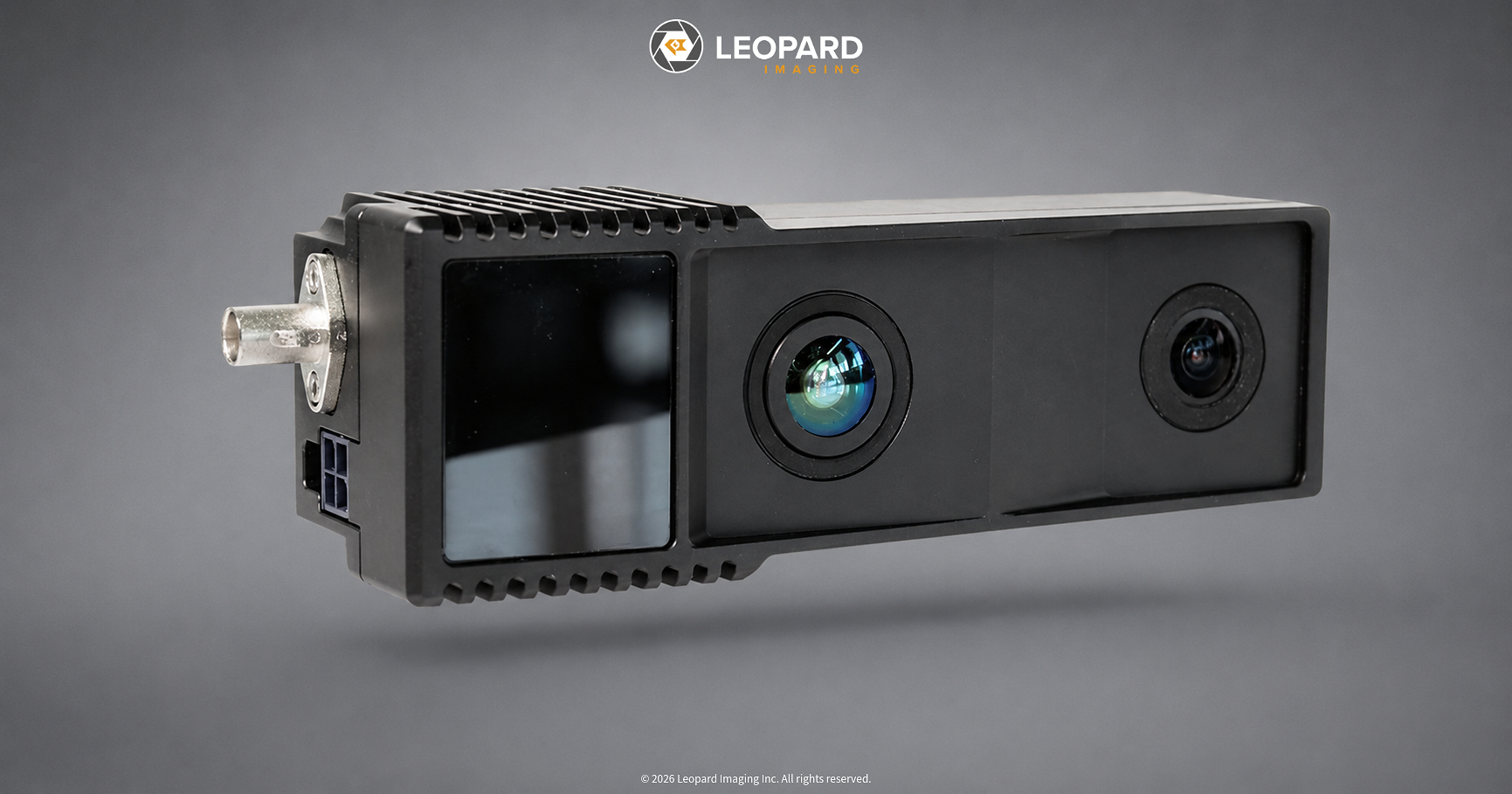
SWIR is expensive because the sensing technology is based on INGaAs sensors or other methods. Wherever we can, we use VIS-NIR because we see a lot of technical information, which surpasses RGB sensing. But there are signatures which you don’t have an RGB at all and so we have multiple SWIR solutions which are customisable for different application, and others solutions off the shelf. If you come to our booth at Vision, you can see a first prototype of our new SWIR camera with high resolution.