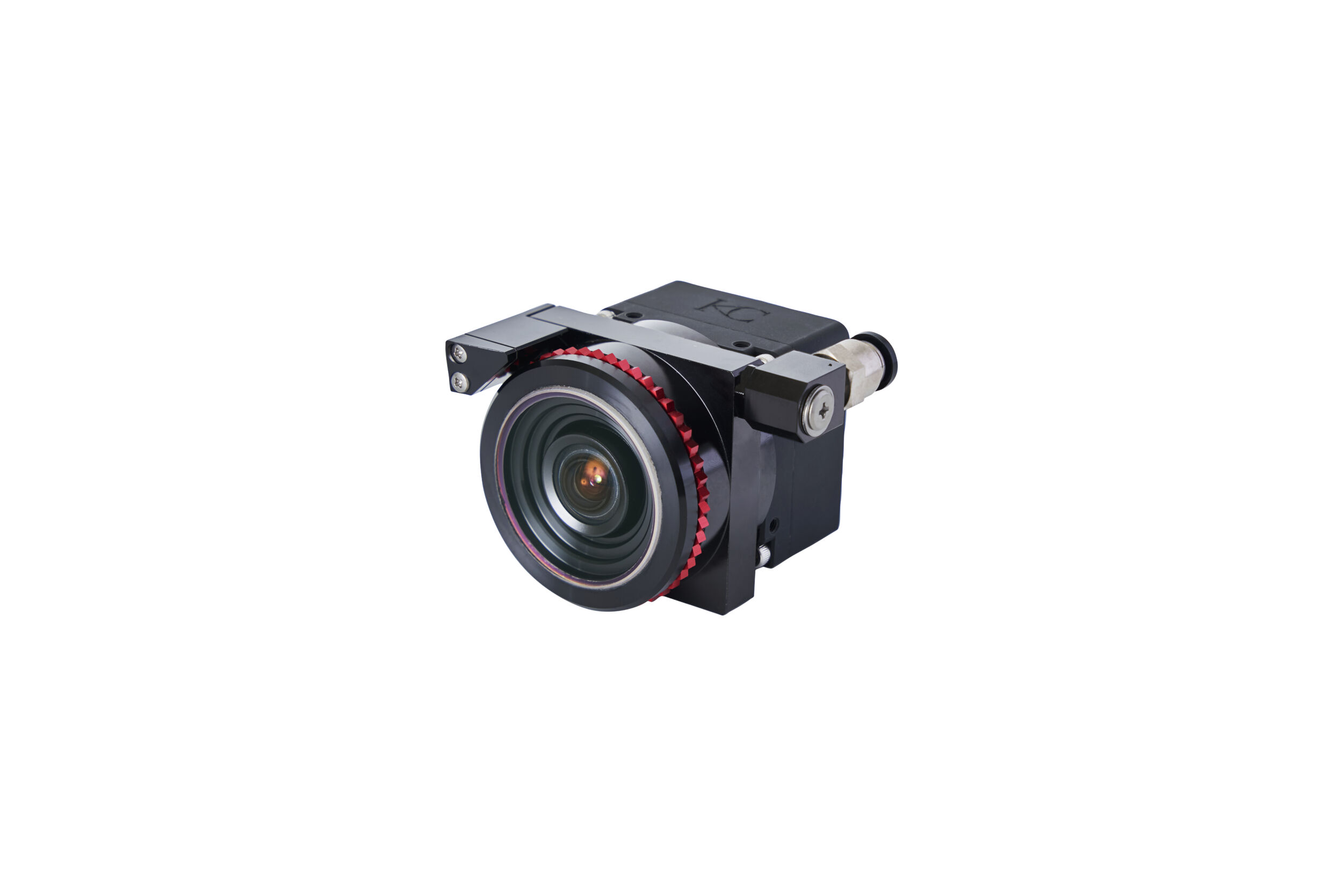
Telecentric Zoom Lens

TCZEL
Image: Opto Engineering S.p.A.

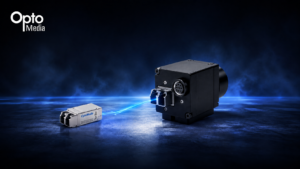
Why does the TZCEL have two Liquid Lenses?

Francesco Mondadori: The integration of a liquid lens into the telecentric optics enables rapid focusing to adjust the working distance, as in Opto Engineering’s TCEL series, for example. The magnification, on the other hand, remains almost the same (except for small variations that can be calibrated) and it is therefore possible to benefit from all the advantages of telecentric lenses while overcoming the limitations of a reduced depth of field.

The integration of two liquid lenses makes it possible to combine the variations of optical powers in order to precisely adjust both the working distance and the magnification
Francesco Mondadori, Opto Engineering
The integration of two liquid lenses makes it possible to combine the variations of optical powers in order to precisely adjust both the working distance and the magnification Francesco Mondadori, Opto EngineeringImage: Opto Engineering S.p.A.

The integration of two liquid lenses, on the other hand, makes it possible to combine the variations of optical powers in order to precisely adjust both the working distance and the magnification, creating a telecentric zoom lens capable of refocusing even on different planes. Thanks to this it is possible to avoid mechanical movements of the optics or of the object to be inspected, increasing the efficiency of the vision system.

For which applications is the lens particularly suitable?

TCZEL lenses are particularly suitable for applications such as FoV machines due to their extreme versatility. In addition, they are ideal for inspecting electronic components, where it is often necessary to refocus at different distances due to thick components such as capacitors, and to zoom in for smaller features.

Will there be other variants of the TZCEL in the future?

A new model of TCZEL objectives with higher magnifications and a 6X range is currently under development and is expected to be launched next year.
  • Mind the Gap

    Conventional line-scan hyperspectral imagers are fundamentally constrained so they cannot simultaneously provide good imaging and…


  • Gelungene Premiere

    Das von HD Vision Systems und Partnern (AT Sensors, Balluff, Lucid Vision, Pepperl+Fuchs, …) erstmalig…


  • Beyond the Measurement Plan

    Metrology has long been a siloed discipline. The traditional workflow is familiar: a design engineer defines a technical drawing, a manufacturing engineer…


  • 5x mehr Datenpower

    Fünfmal mehr Datendurchsatz, fünfmal schnellere 3D-Scans und Laser-Link-Connector: Die neue Triangulationskamera von AT Sensors ist das erste Produkt der C7-Serie und mit…


  • Licht vermessen

    Für die Vermessung der Wirkungen von Licht gibt es zwei Möglichkeiten: eine neutrale und eine menschenbezogene. Jede der beiden besitzt ein eigenes…


  • Welcome back

    Vom 20. bis 21 Mai findet das Comeback der CHII (Conference on Hyperspectral Imaging in Industry) in Graz statt. An den zwei…


  • Premiere!

    Da die Messe Control auf einen Zwei-Jahres-Rhythmus gewechselt ist und erst 2027 wieder stattfindet, veranstaltet die P. E. Schall in diesem Jahr…


  • Vision Weighing

    Modern egg grading increasingly relies on vision-based systems to support consistent quality assessment and efficient grading at high capacity. In Sanovo grading…


  • CRA & Machine Vision

    Für IDS beeinflusst der CRA vor allem, wie wir sicherheitsrelevante Rückmeldungen aus dem Feld verarbeiten: Hinweise müssen schnell bewertet und in Korrekturen…


  • Thomas Hopfner

    Machine-Vision-Software ist eine wesentliche Komponente von modernen Produktionssystemen.