Wood planers are a highly important piece of machinery in lumber production that planes wooden boards to a consistent thickness and width throughout their length to achieve a smooth finish. At the industrial level, boards move through the machine up to 4,000 feet per minute while cutter heads rotate at speeds of 3,600rpm and above to smooth them out. The knives on a planer wear out and slightly shorten as they work through the day. Because of the gradual wear, planers need to be monitored and adjusted to ensure they produce quality boards. Hitting the right amount of pressure on the knives can be tricky though, and incorrectly adjusted knives will cause issues. With too little pressure, the knives won’t make proper contact with the wood, whereas too much pressure will cause the blades to dig in too deeply and create additional friction. DO2 estimates that a mill could lose about one to three percent of its product due to improperly calibrated planers. Planer mills regularly perform inspections on their planers as any machine with internal moving parts will experience regular friction that causes gradual wear and tear. That friction combined with constant contact with wood increases the temperature of the planer’s bearings, leading to failure that can shut down the production line for the duration of repairs. While it depends on the type of wood being produced, DO2 Contrôle says that a wood mill could lose around $1,000USD per minute if a planer fails and halts production.
Planer mills have a few traditional methods for fighting overheating machines: One is to simply inspect the machine with an IR spot thermometer. However, spot thermometers can’t measure the entire machine, meaning overheating elements could easily be missed. In addition, faults could develop between scheduled inspections. Most commonly, planner operators will gauge a machine’s pressure level and knife health using their ears as the sound of the planer smoothing down the wood will change depending on the pressure level and how sharp the knives are. This method requires a certain amount of experience to gauge and is subjective to the operator. Lastly, in the worst case of overheating, mills are typically equipped with separate sprinklers to rapidly cool down a failing machine that could cause a fire.
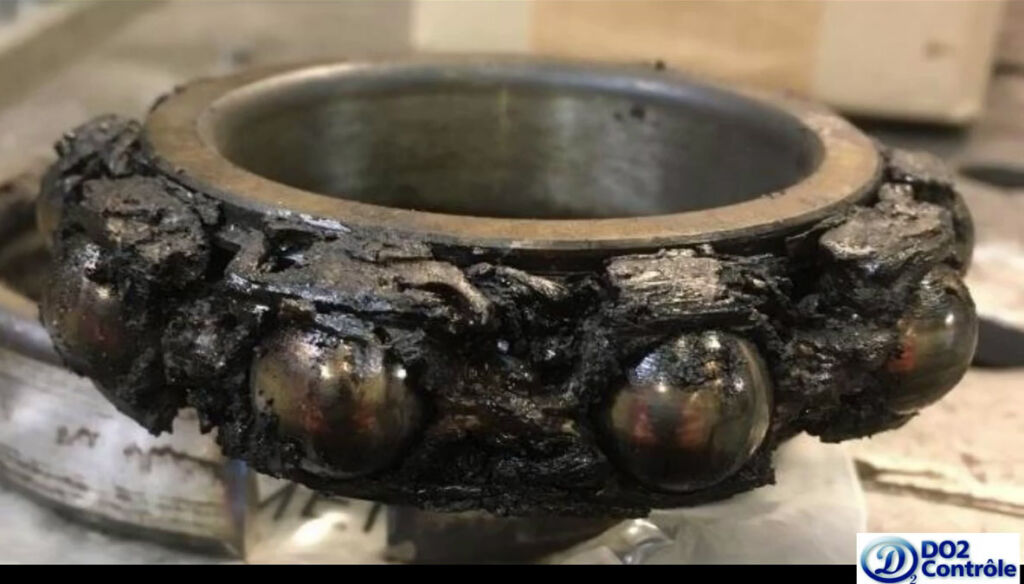
Image 2 | Friction combined with constant contact with wood increases the temperature of the planer’s bearings, leading to failure that can shut down the production line. – Image: DO2 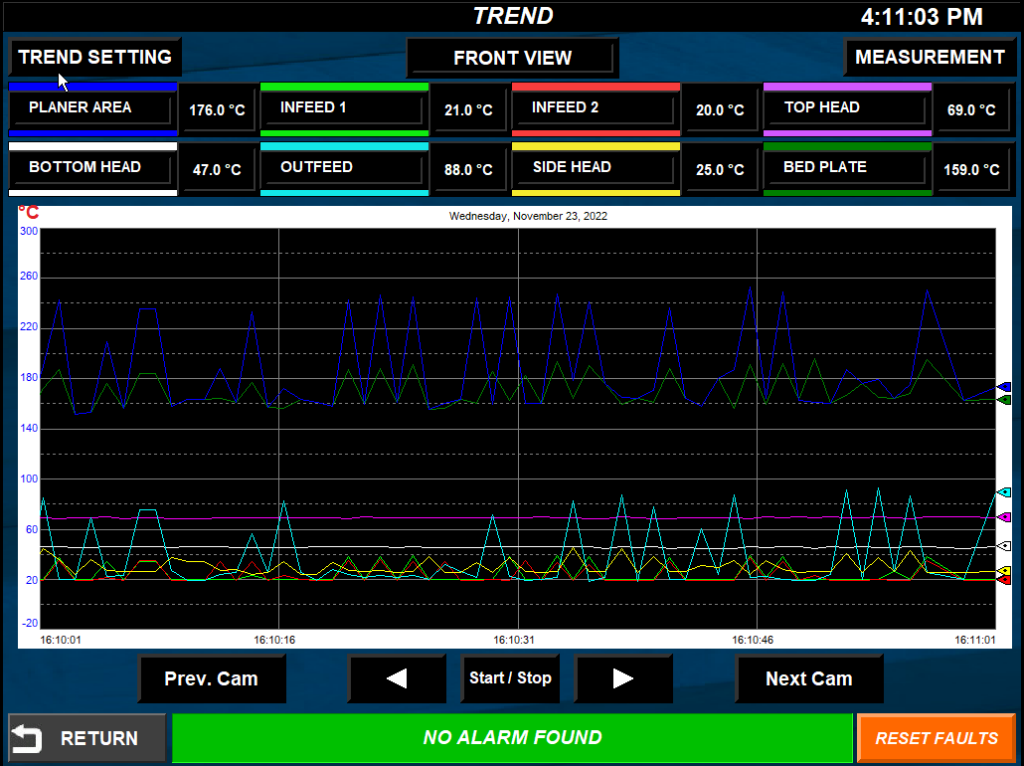
Image 3 | Graph view from DO2’s thermal monitoring system. – Image: Teledyne Flir
Temperature control at ten points
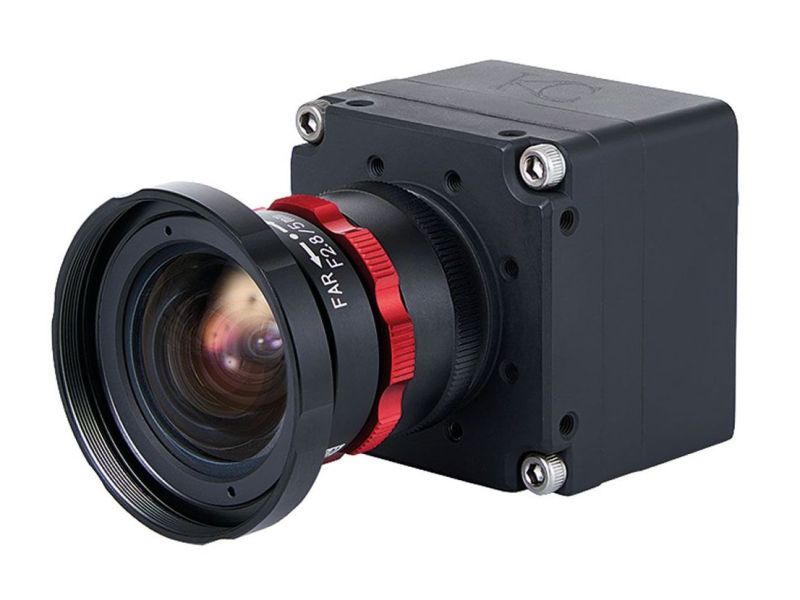
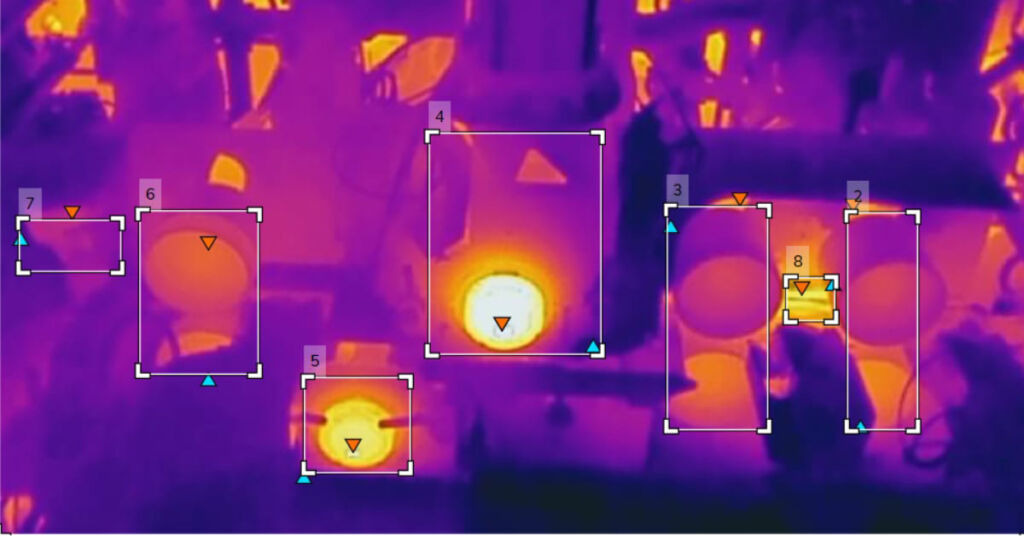
DO2 Contrôle turned to thermal imaging with Teledyne Flir’s AX8 and A50 to automatically monitor the planer components as well as the wood moving through the planers to ensure temperature levels are safe and effective. The company created its own system that can hold up to ten cameras, each capable of monitoring ten different areas and ten different points for temperature alarms. Should any of the monitored points cross a set temperature threshold, alarms will trigger and alert staff to the overheating machine. The alerts not only notify immediate staff, but also send emails and texts to inform offsite staff as well. A typical installation has at least two cameras per machine; one to monitor the boards in production at the front and one to monitor the machine’s bearings and motors at the back. The front camera ensures the knives and rolls aren’t generating too much friction, reducing the risk of overheating.
The camera in the back ensures components aren’t being overworked or getting overheated. DO2’s system also includes graph views of all the incoming temperature data. Should the pressure settings be set too high, the graph will show a spike that can be compared to previous cuts and clearly let staff know that something is wrong. Having the temperature graph and exact temperature data helps operators make more informed adjustments and get to the correct pressure settings sooner. Another advantage of this thermal monitoring system is it’s easy to install: an electrician wires it into a facilities PLC and then DO2 Contrôle takes care of the initial Startup, either remotely or on-site. Once running, the system provides an intuitive interface to check every camera and monitor critical points of a mill’s machinery. The company is confident that its design would fit a variety of other industrial production processes.
www.flir.com