A resilient machine vision system is one that can adapt to changing hardware and software without requiring extensive redesign. Achieving this requires reducing dependencies on individual manufacturers and designing interchangeable system components with clearly defined interfaces.
Building Hardware Independence
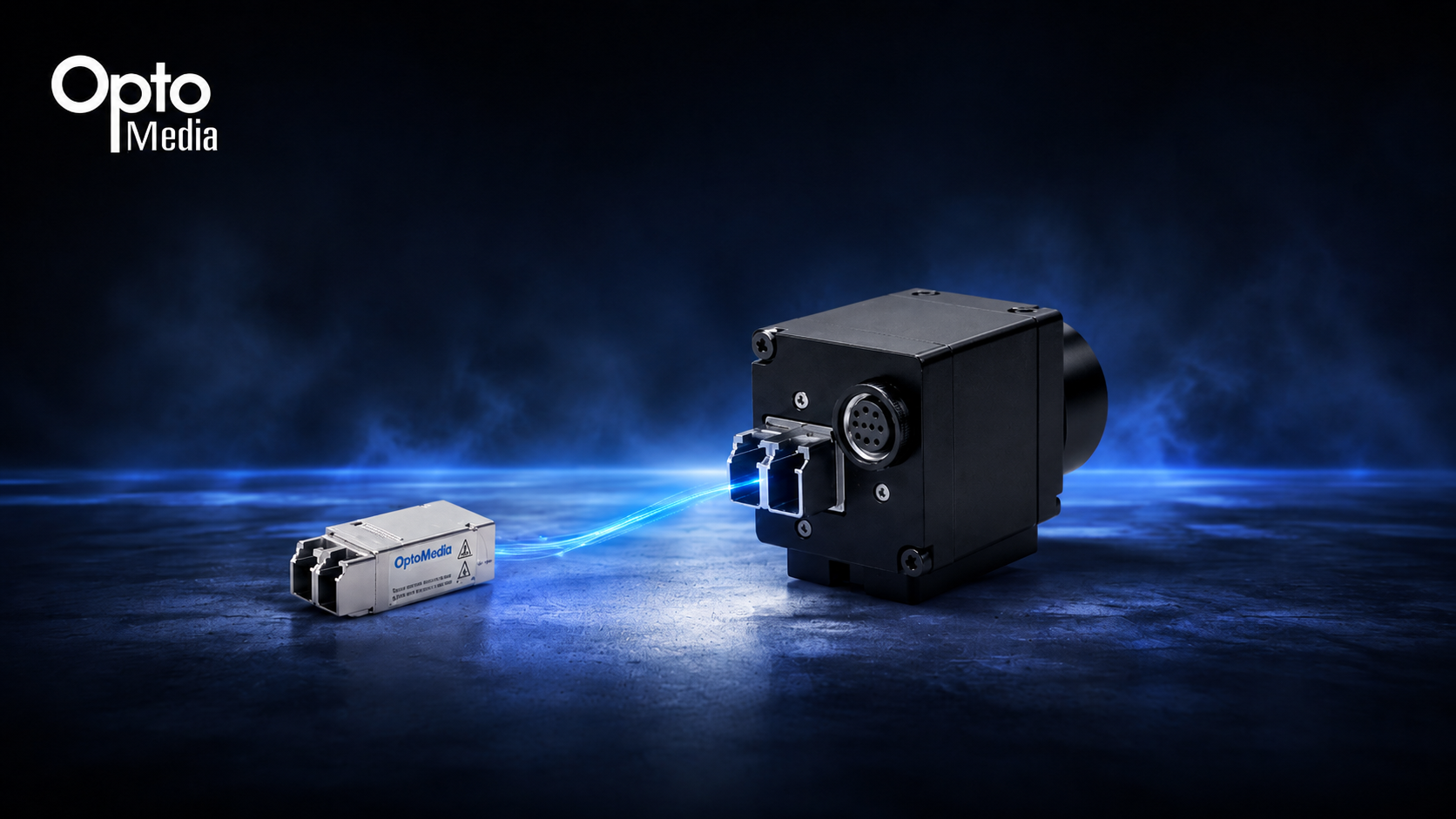
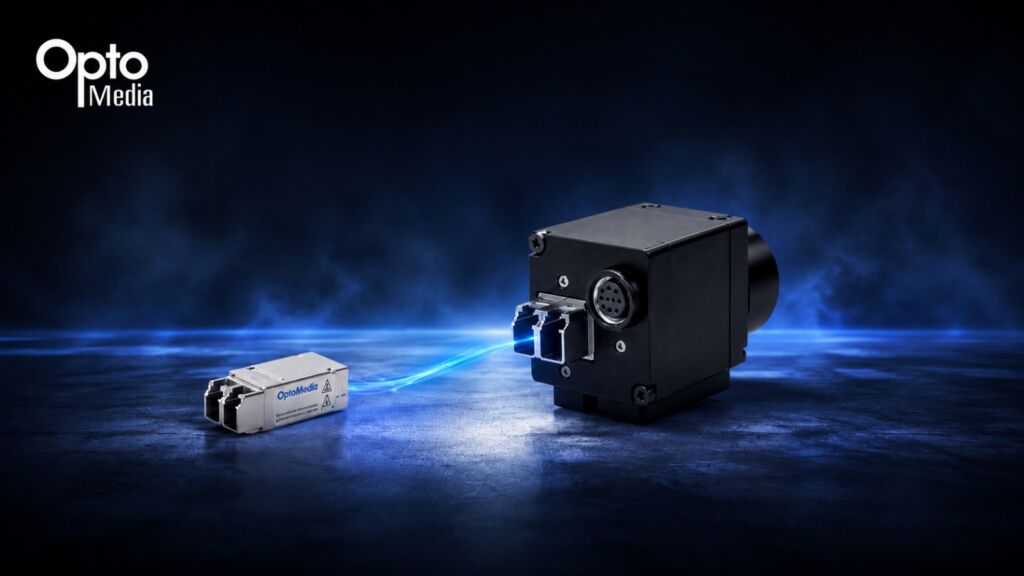
Supply chain disruptions caused by economic developments, geopolitical events, or component shortages have demonstrated that hardware availability cannot be taken for granted. Having a qualified second source for critical components can significantly reduce these risks, but only if replacing a component is both technically and economically feasible. OptoMedias ultrakompaktes Mini SFF bringt zuverlässige, schnelle Glasfaserverbindungen in Industriekameras der nächsten Generation. ‣ weiterlesen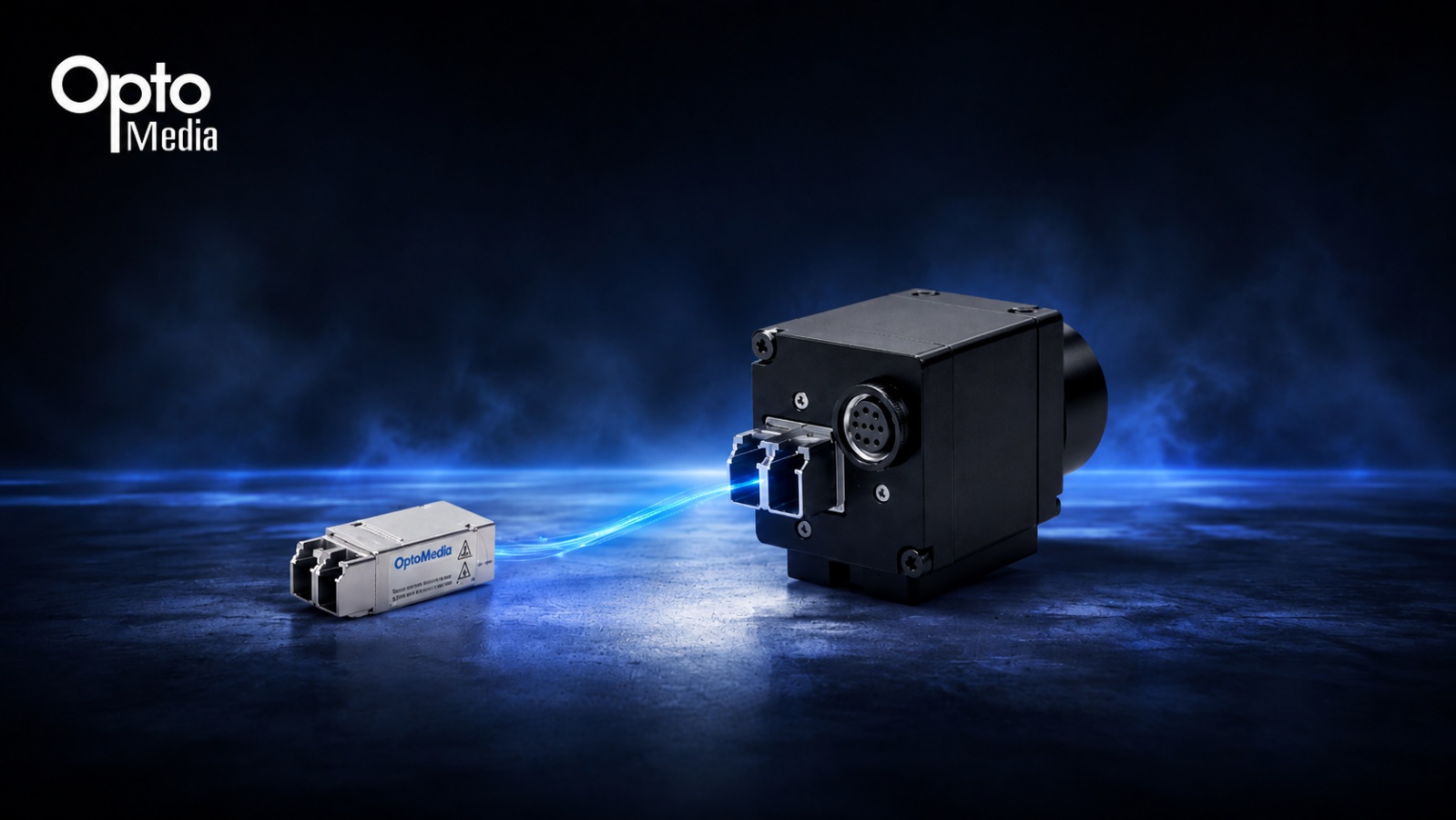
Fiber Mini SFF für GigE Vision
„One-stop shopping at a value-add supplier simplifies procedurement. Direct sourcing of components from the individual manufacturers increases depency.“
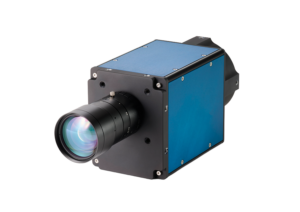
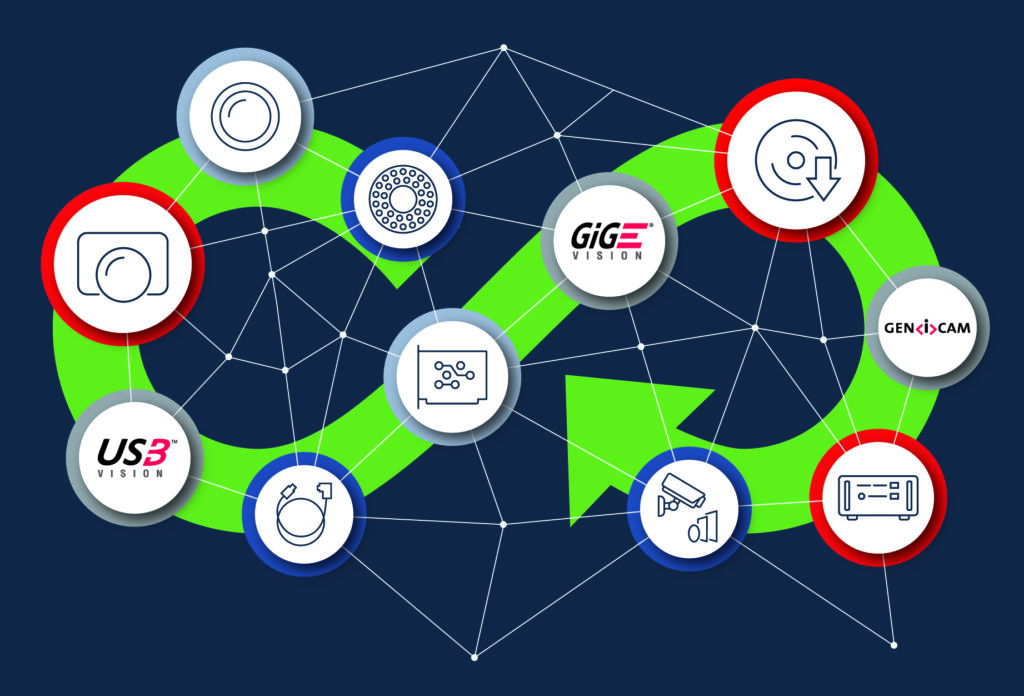
For the camera selection, the sensor and interface are often more critical than the decision for a specific manufacturer. Multiple manufacturers offer products based on the same sensors and interfaces with comparable capabilities. However, taking advantage of this flexibility requires software that is largely independent of vendor-specific implementations. This is where machine vision standards become essential. GenICam provides a common programming interface for industrial cameras, while GigE Vision and USB3 Vision define standardised transport protocols. Together with the Standard Feature Naming Convention (SFNC), these standards allow applications to configure cameras through standardised feature names instead of proprietary APIs. Applications designed around these standards can often integrate alternative cameras with only minor adjustments instead of significant software modifications.
„Standards are insurance, you choose before you need them.“
The same modular approach applies to other hardware components. Separating cameras, lenses, illumination, frame grabbers, and processing hardware allows each subsystem to evolve independently. In contrast, highly integrated smart cameras or vision sensors with proprietary programming environments may simplify initial development but can create strong lock-in that becomes technically detrimental or at least expensive over the system lifetime. Processing hardware deserves similar consideration. GPU product lifecycles are typically much shorter than those of industrial machines. A vision system designed around a specific accelerator or hardware generation may face costly redesigns when replacement hardware is no longer available. Finally, a required operating system update may cause device drivers to stop working, the hardware itself is not the problem, the dependency between hardware and software after introducing breaking OS changes becomes the limiting factor.