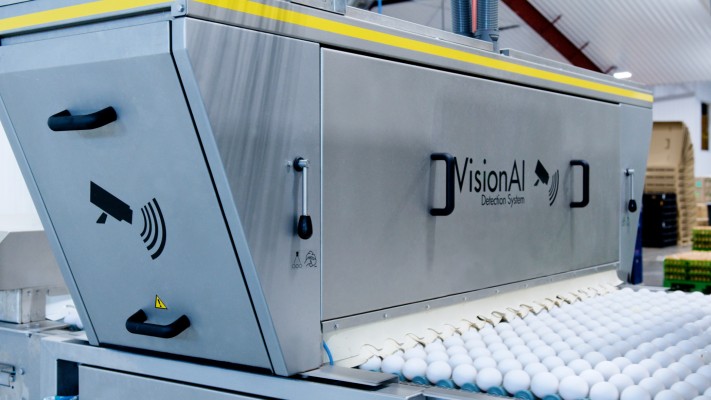
Within a VisionAI-enabled grading line, visual inspection tasks are performed using image capture and software-based evaluation. These tasks include detection of cracks, identification of leakers and contactless weight classification (vision weighing). While several inspection tasks in modern grading lines are performed using vision technology, weight classification plays a central role in the grading process. Eggs are ultimately sorted and packed according to weight categories, which directly determine commercial value and compliance with market standards. For this reason, stable and reliable weight classification is critical. This article takes a closer look at the vision weighing feature specifically: what it is, how it works inside a modern egg grader, and why contactless weight classification is becoming increasingly important in high-capacity grading environments.
What is Vision Weighing?
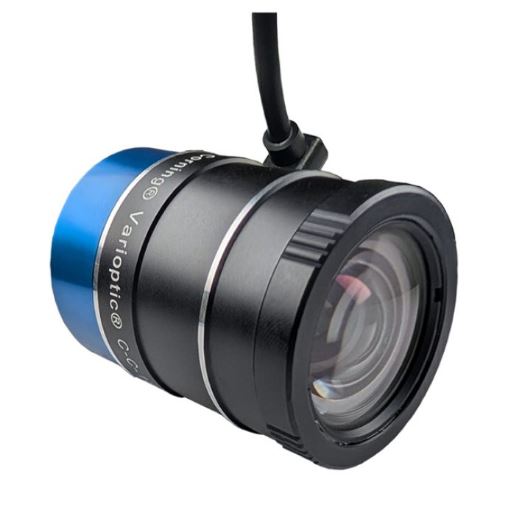
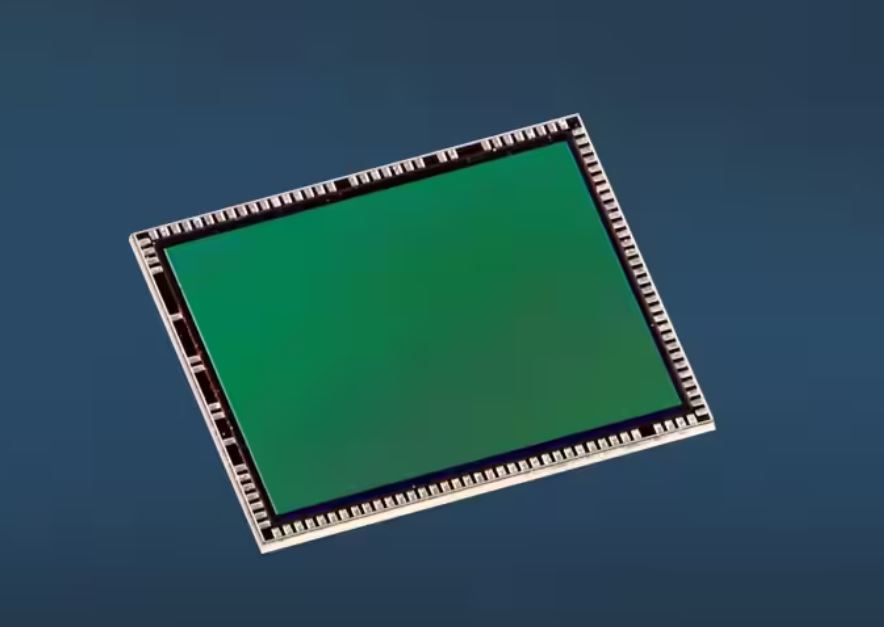
Vision weighing is a method of determining egg weight using advanced vision technology instead of traditional mechanical load cells. In conventional grading systems, each egg is physically placed on a small weighing platform where a load cell measures its weight before sorting. This mechanical approach has been widely used in the industry for decades. In Sanovo egg grading lines, vision weighing is implemented as part of the VisionAI inspection platform. Weight is determined without physical contact. High-resolution cameras capture multiple images of each egg as it passes through the grader, and dedicated analysis algorithms evaluate defined visual parameters to estimate weight with high precision. By shifting weight classification from mechanical measurement to vision-based analysis, The vision weighing function supports stable and repeatable egg grading at full production speed washed and unwashed for both white and brown eggs. The vision weighing process follows these core steps:
- The egg passes through the grading line without being placed on a weighing platform.
- High-resolution cameras capture multiple images from defined angles.
- The system extracts measured visual parameters such as size and shape characteristics.
- Dedicated analysis algorithms calculate the weight based on these parameters.
- The egg is classified into the correct weight category in real time.
Why Vision Weighing Matters
In high-capacity egg grading environments, operational stability is essential. Grading lines run continuously at high speed, and even small variations in measurement performance can affect overall efficiency and sorting accuracy. Traditional mechanical weighing systems rely on physical components that must absorb force and remain precisely calibrated to operate consistently over time. As production speeds increase, maintaining stable measurement conditions becomes increasingly important. Contactless weight classification reduces dependency on individual mechanical weighing platforms. Because the egg’s weight is determined through structured vision-based analysis rather than direct force measurement, the grading process is less influenced by mechanical wear vibrations and environmental changes like humidity and temperature. This contributes to consistent weight categorization across long production runs and supports reliable operation at full grading capacity.
Benefits of AI Vision Weighing
– No mechanical wear: Contactless vision-based operation using image analysis eliminates wear-prone mechanical components, resulting in lower maintenance needs, longer system lifetime, and reduced total cost of ownership.
– Improved reliability: Dust, dirt, vibrations, and temperature fluctuations significantly affect load cells. Vision technology is much less sensitive to environmental factors, ensuring consistent performance.
– Reduced or no calibration required: Load cells require regular calibration to maintain accuracy. Vision systems use algorithms and reference points, making calibration virtually unnecessary.
– Higher speed and throughput: Vision can weigh in real time while the egg remains in motion. This increases line speed and improves process efficiency.
– Predictable and explainable weight classification: Weight is determined using a defined mathematical calculation rather than adaptive neural networks, ensuring consistent results.
– Higher detection accuracy: More cameras mean higher resolution per egg which means more accurate detection.
– Integrated inspection platform: Within VisionAI, weight classification operates alongside crack detection and leaker detection. Combining multiple inspection tasks within one coordinated system supports a structured grading setup.