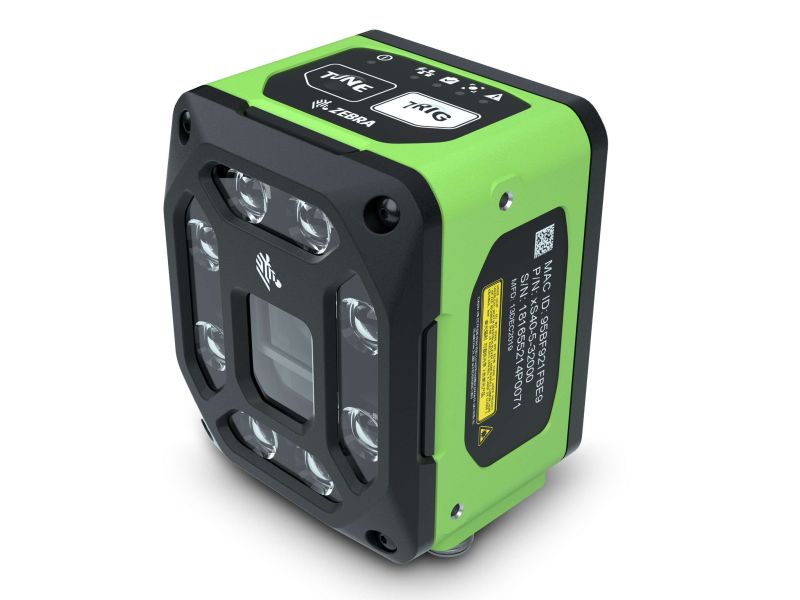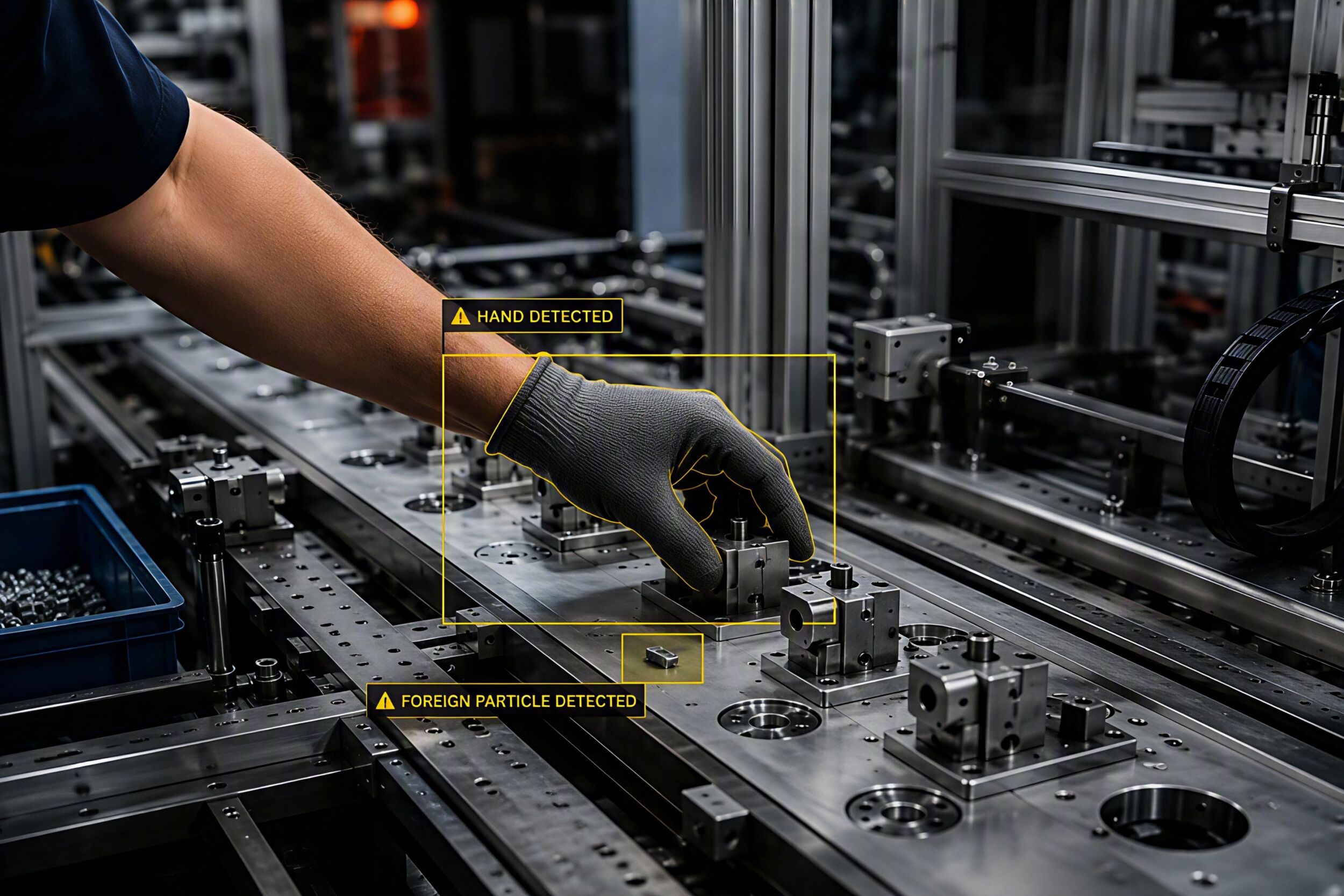
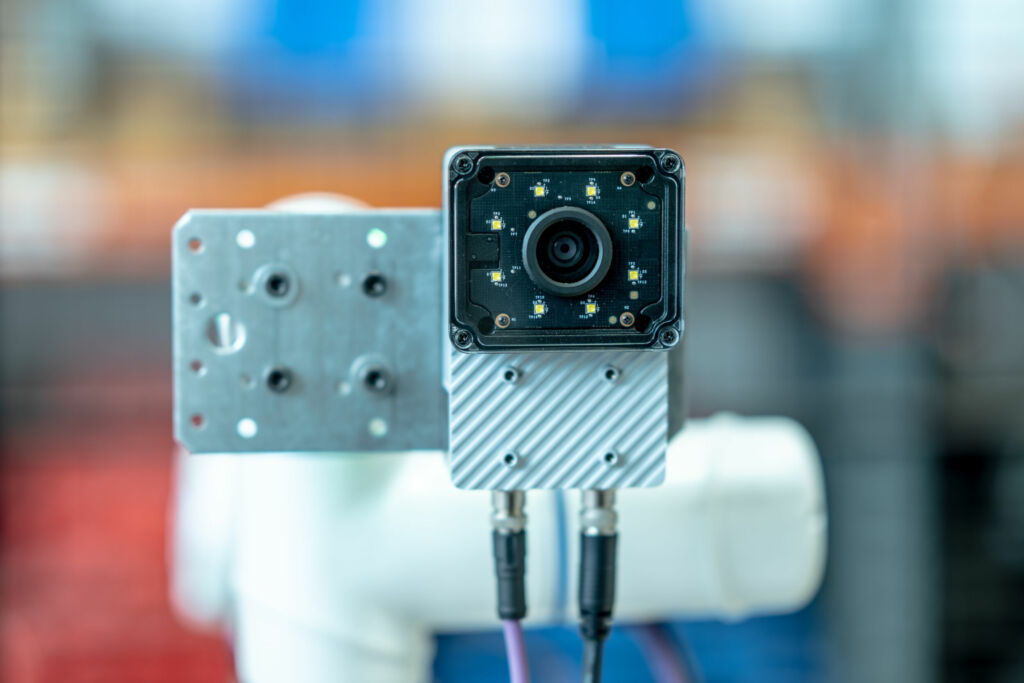
The AI camera discussed in the webinar is a self-contained unit equipped with Nvidia Jetson technology. It houses a onboard processor capable of training and running deep-learning models directly on the device. This allows manufacturers to deploy cameras across production lines without relying on external processing power. The result: Faster, more independent defect detection that reduces dependency on cloud-based or external computing power and network connectivity. What makes these cameras special is their ability to learn directly from factory operators. Instead of requiring hardcoded rules, users simply show the camera examples of defects. The AI then generalizes patterns and continuously improves its detection accuracy. As Marc Cayuela pointed out in the webinar, AI enables manufacturers to detect subtle defects – such as scratches on shiny metal surfaces or imperfections in synthetic leather – that would have been nearly impossible to identify using traditional vision systems.
Real World Testing
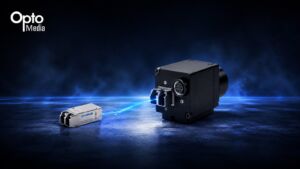
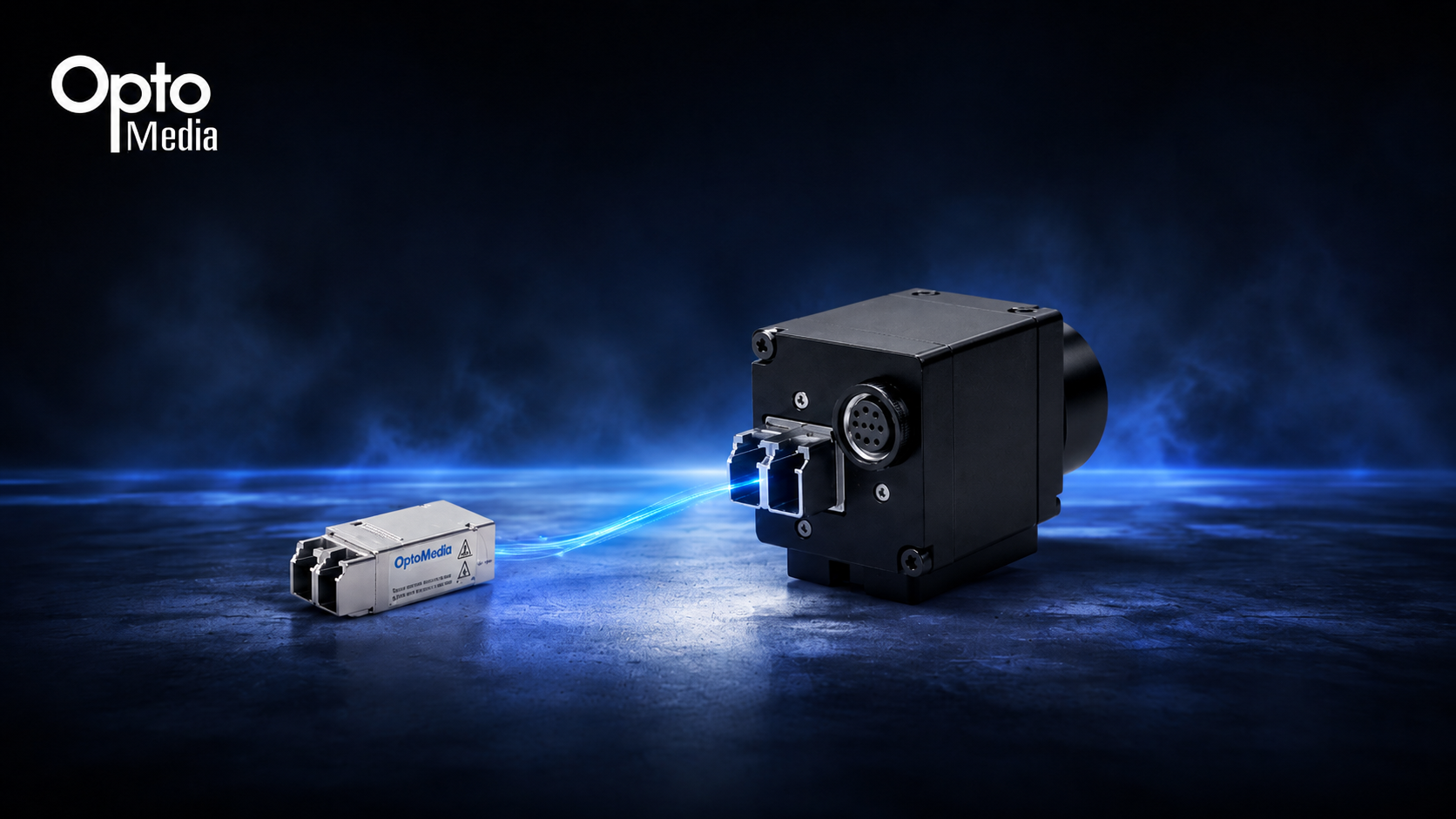
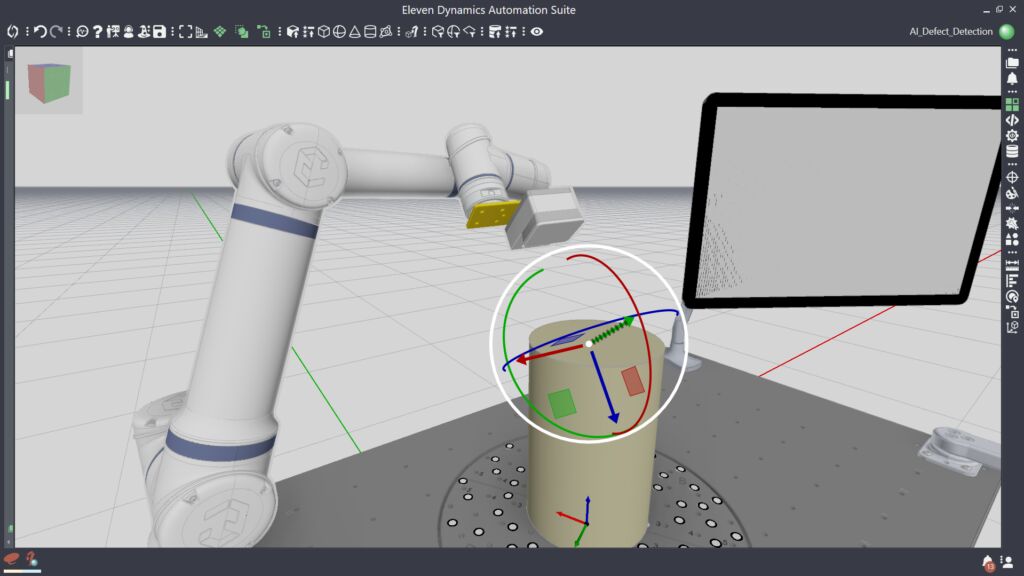
One of the key takeaways from the discussion was the importance of AI and robotics working in tandem. While AI cameras can detect defects with high precision, they have physical limitations in terms of focal length and resolution. This is where robots become an essential part of the equation. By mounting AI cameras on robotic arms, manufacturers can perform thorough inspections from multiple angles, covering large or complex parts with unprecedented accuracy. Eleven Dynamics‘ software plays an important role in this integration, making it possible to program and operate robotic inspection systems without extensive coding expertise. This enables manufacturers to achieve high repeatability in quality control while simplifying system configuration and adaptation. OptoMedias ultrakompaktes Mini SFF bringt zuverlässige, schnelle Glasfaserverbindungen in Industriekameras der nächsten Generation. ‣ weiterlesen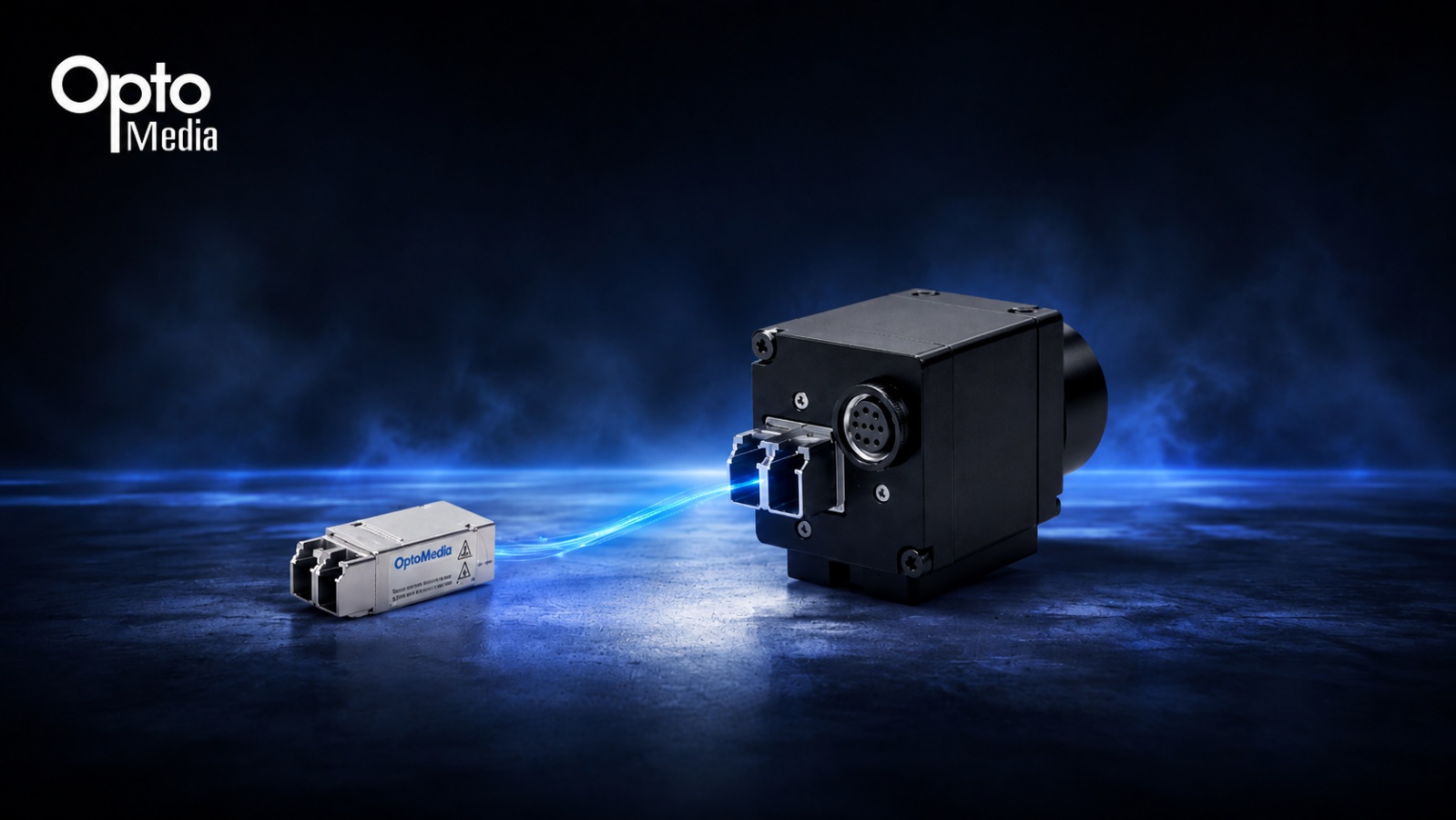
Fiber Mini SFF für GigE Vision
Before adopting any new technology, scepticism is a natural and necessary step. As Marc Cayuela admitted, he was initially hesitant about AI-driven visual inspection. However, after testing the AI camera in real-world applications at Eleven Dynamics, he was impressed by its ability to identify barely visible defects on synthetic leather samples. In a matter of minutes, the AI was trained to detect scratches, paint imperfections, and minor creases that even experienced human inspectors could struggle to see. The same level of detection accuracy would have taken traditional computer vision months of development time and fine-tuning.
Conclusion
The discussion also touched on the impact of AI and automation in manufacturing. While complete factory automation may still be a long-term vision, AI-driven technologies are rapidly reducing the need for manual intervention in quality control. By simplifying system operation and reducing reliance on specialized technicians, AI cameras and automation software empower manufacturers to optimize their workflows and ensure consistent product quality. The future of manufacturing will be one where intelligent, self-learning inspection systems collaborate with robotics to create highly efficient, flexible production lines. Eleven Dynamics is at the forefront of this transformation, providing the tools necessary to bridge the gap between AI-driven inspection and full-scale automation.
www.11dynamics.com