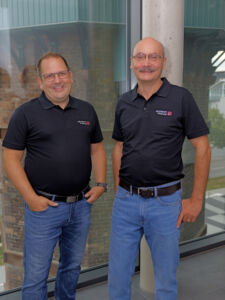
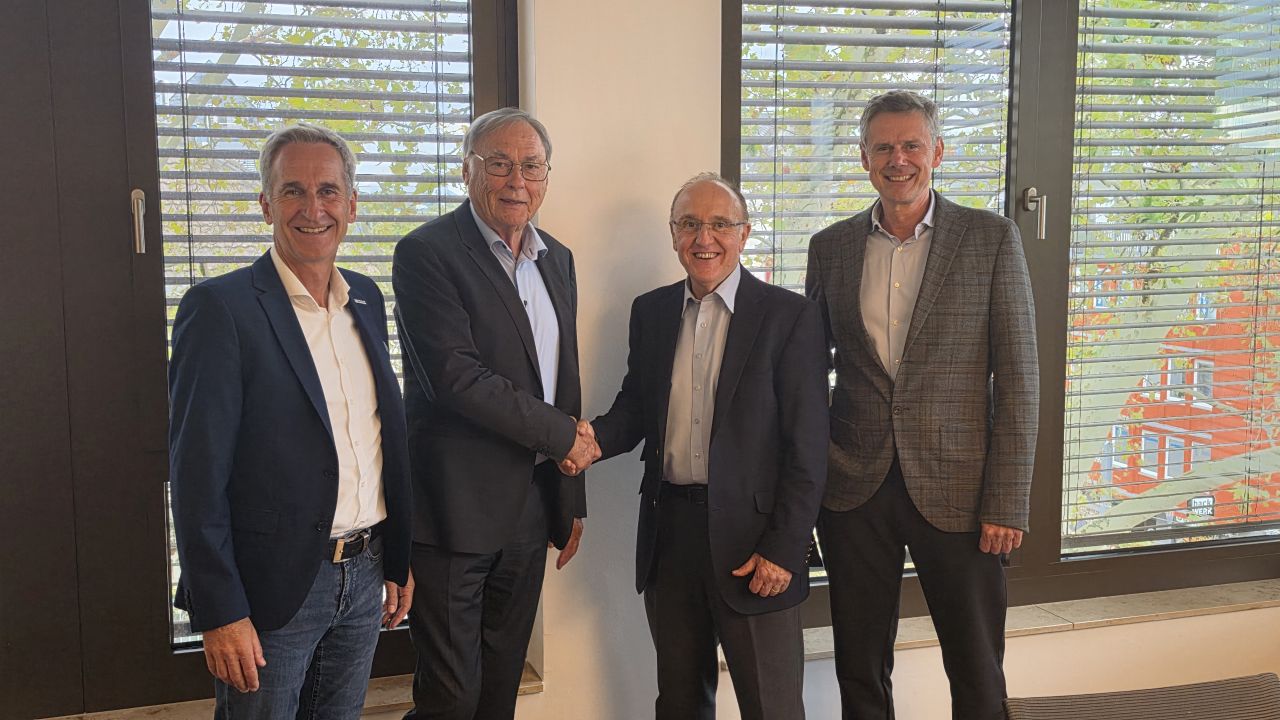
After Paul Scholten was introduced as Stemmer Imaging’s new CEO last fall, there has recently been a change at the top of the company. Was this change planned from the outset? Peter Keppler: Initial publications in August promoted Paul Scholten to be interim CEO. So, you could say it was planned from the outside. However, Paul’s dedication, leadership style and trust in the team were overwhelming. This led us to ignore this initial plan until the employment has ended. It has been a very intense and motivating time that we have used to start a lot of activities at Stemmer Imaging. Anyway, since March 10th, we have a new CEO, Mike Weccardt, and the last seven weeks they were intense too.
Mike, could you tell our listeners a little bit about yourself, your career path, and your previous positions before Stemmer Imaging?
Mike Weccardt: I’m sixty-four years young, I’m happily married, and I have two adult kids who follow my path and will be all both married soon. I have sixteen years of C-level experience in European and global organisations like the Douglas Holding and Nike. After that, I have about twenty years of restructuring experience in companies that are in demanding situations. There’s nothing wrong with refinancing merger attempts or change of ownership and fine tuning one or the other aspect of your business model. OptoMedias ultrakompaktes Mini SFF bringt zuverlässige, schnelle Glasfaserverbindungen in Industriekameras der nächsten Generation. ‣ weiterlesen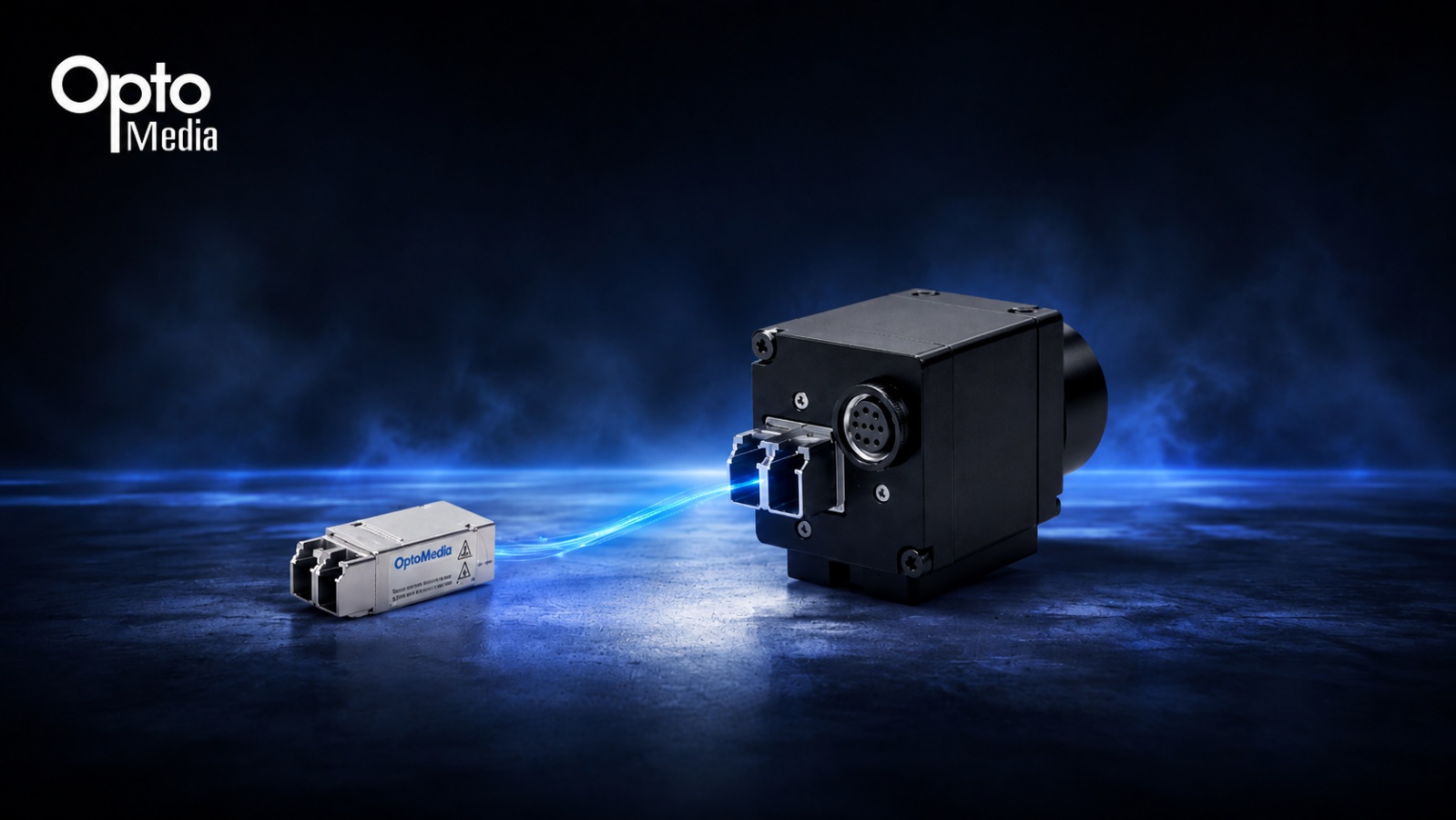
Fiber Mini SFF für GigE Vision
Will Stemmer Imaging’s announced roadmap change with you at the helm and what are your strategic plans for the company?
Weccardt: I share Peter’s perspective, that the company, together with Paul, has created a very nice and reliable way forward. During the past years Stemmer was a bit hindered by the change of ownership. You have different occupations, you do different things, and you get sort of defocused from the business. The new roadmap is built on reliable pillars, which I always try to find when working with a company. We’re focusing on revenue growth. This is something that we haven’t been able to do over the last year. We’re doing this with existing customers and a new customer base that we are just developing. We’re in the process of leapfrogging technology solutions. We’re getting more and more electronic and more and more AI which we’re using to move forward. The idea of imaging being a central part of machinery and process development drives us forward. We will expand in markets and in formats. There’s a slight difference between those two. We’ll use some new formats that are pretty uncommon to Stemmer right now. We see ourselves in the service promise to our customers to make their solutions easier, more reliable, and sustainable.
You mentioned new formats: Can you say a bit more about this?
Weccardt: Technology evolves not only in the way we use technology to produce solutions for customers, but also in itself. There are new ways that people deal with technology. There is direct to consumer, and direct to business. That is sort of leaving the old ways of first consulting and then offering an implementation, looking for the product, sourcing the product, and then putting it in scene with your customers. We are following new ways where we can directly supply interested consumers with the right product and we’re doing that on a very global basis.
What are Stemmer Imaging’s current priorities?

Keppler: It’s market visibility. We have been a little bit invisible in the past, and that changed totally during the last half year. We are doing trade shows, customer events, webinars, marketing campaigns and articles. Everything people were used to get from Stemmer Imaging before. We get a lot of feedback that people were missing it over the last years. We are not only back, but we are also on the next level. Just to give you an example: in 2026 we are visiting more trade shows as an exhibitor than we ever did before. We did this year two technology days. Everybody remembers the big technology forums we did years ago, and people were asking for it. We are reactivating that format, considering that we need new formats, as these big events are a bit outdated. We are doing it now in a hybrid way, in presence and in online. At the Technology Day with Teledyne in our facilities, we were able to welcome around one hundred participants live and online. As Mike described before, it’s all about optimising our service quality, and especially our speed. We build the next chapter of modern value-added distribution. This means expansion of the portfolio with new technologies, and with new suppliers to cover the needs of the customers, but especially to find new contacts. As we all know, we have a very compact vision branch with a lot of known people in. We want to open new customers, and new areas. We want to offer all the things people from modern smart factories need in regards of machine vision and other stuff.
In the last inVISION podcast, it was mentioned that Stemmer Imaging wants to further expand its international presence. Is there an update on the road to international presence?
Weccardt: At that podcast we defined markets and opportunities, where we can really profit from. There are markets where I’d be hesitant to attack them right now. The development has entered a phase where we have now a revised operational structure in those existing markets. For example, at US we have a completely revised approach to the customers now. Internally we are restructuring, what we do to tailor it for becoming an international business model. We can’t afford to have an individual country doing a completely different business practice like the rest. That has been a lot of the occupation we have done recently to restructure these existing markets and make them sales and service focused. We’re also following new markets like Italy, Poland and some others, which we are carefully exploring and where we are building the fundamental basics now, like hiring people, getting the right legal structure etc. We can implement the business model we wish for there from the very start.
This interview is based on the inVISION podcast ‚5 Questions…‘, which you can find on Spotify, Deezer, Apple Podcasts, or at …