Fewer iterations, faster development
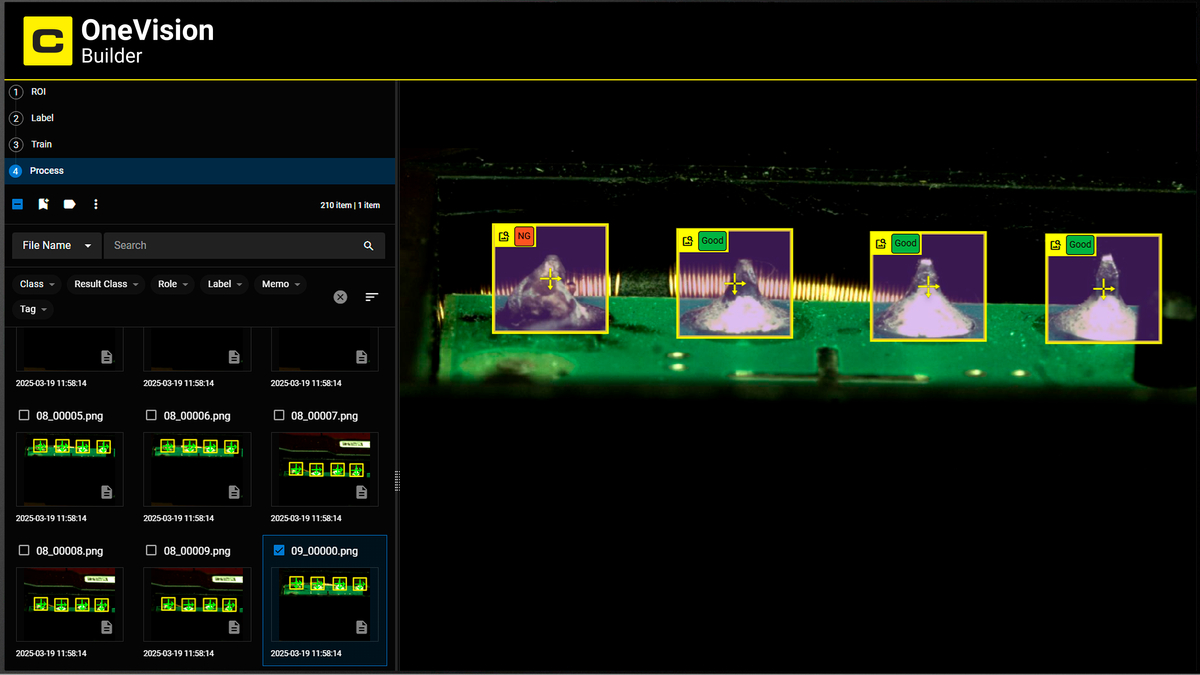
For system integrators, synthetic training data accelerates AI projects and makes them more reliable, especially where real data is scarce. Projects move faster because cameras, optics, lighting and inspection scenarios are evaluated before anything is built. Edge cases – the rare scenarios that typically cause a system to fail in the field – are validated up front rather than discovered in production.
Vision Setups through conversation
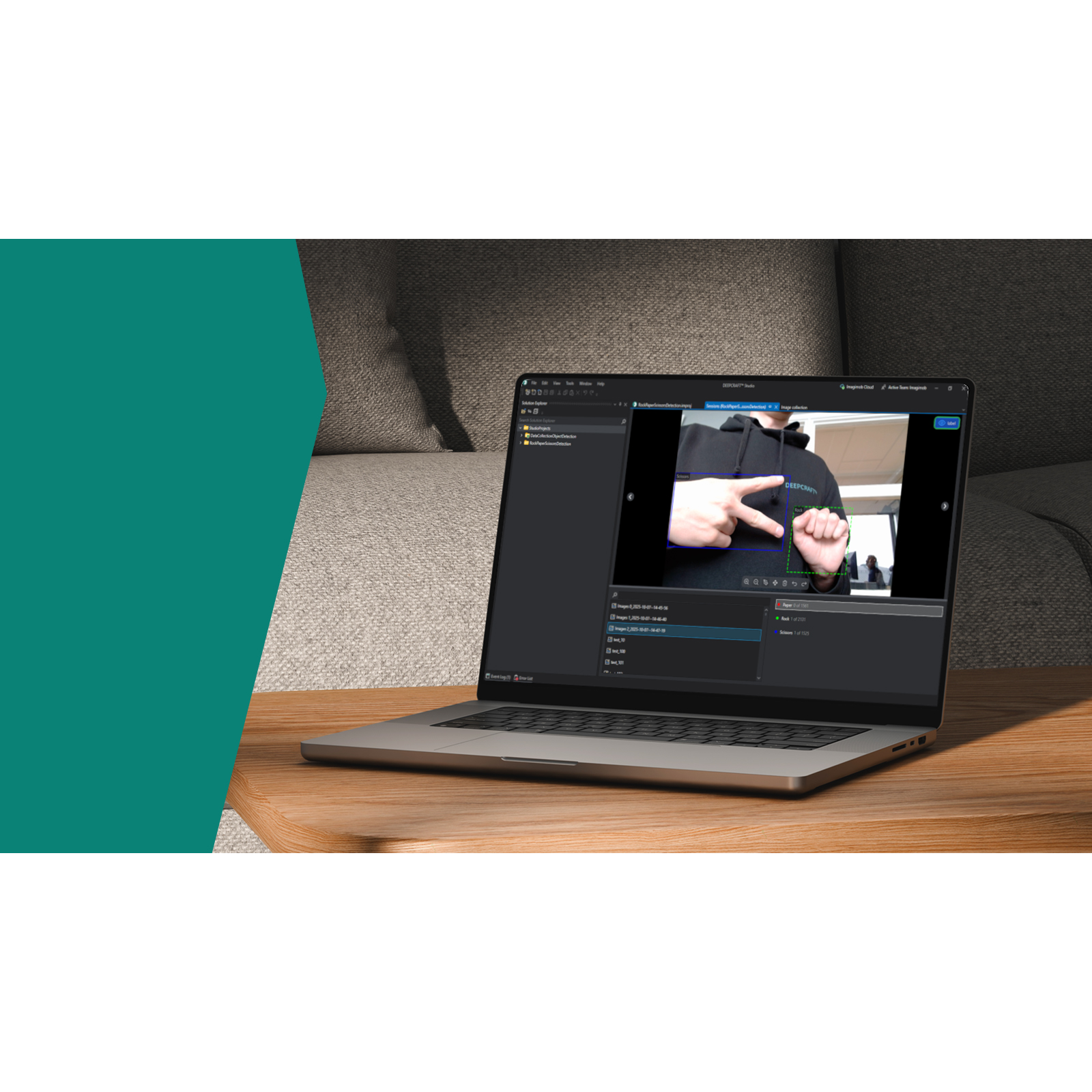
If the Pro Version expands what users can achieve, Vision Navigator focuses on how easily they achieve it. The new AI assistant simplifies the first simulation of a camera system, no more configuring every parameter by hand. Describe what needs to be inspected, and the AI proposes a suitable virtual setup. Fine-tuning then follows with proven parameter settings. The approach ´Develop Machine Vision through conversation´ may be the most important development of all: simulation becomes accessible to anyone who needs to know whether an inspection concept can work. It is particularly valuable for non-specialists: instead of learning the whole simulation environment first, they ask questions directly while the chatbot translates requirements into a workable simulation. At the same time, experienced engineers spend less time on setup; newcomers face a much lower barrier to entry.
Summary
The Pro Version and Vision Navigator address two sides of the same challenge. The Pro Version provides depth: physically simulated images, synthetic datasets without real training data, defect simulation, labels and automatic documentation. Vision Navigator provides accessibility: an AI-driven interface that gets users from idea to virtual camera system faster. The result is a different development model: explore, test and optimize virtually rather than build hardware first and discover its limits later. Synthetic data stops being an afterthought once real data turns out to be missing; it is there from day one. The machine vision system of tomorrow may not begin on the production floor. It may begin as a conversation – and be tested thousands of times before it ever becomes physical.